Unveiling Myths: 4 Misconceptions About Artificial Turf and the Environment
The green, lush lawn is often a hallmark of the ideal American suburban landscape. However, maintaining a natural grass lawn requires significant time, effort, and resources. This includes frequent watering, mowing, and managing pests and diseases. As a result, many homeowners have turned to artificial turf.
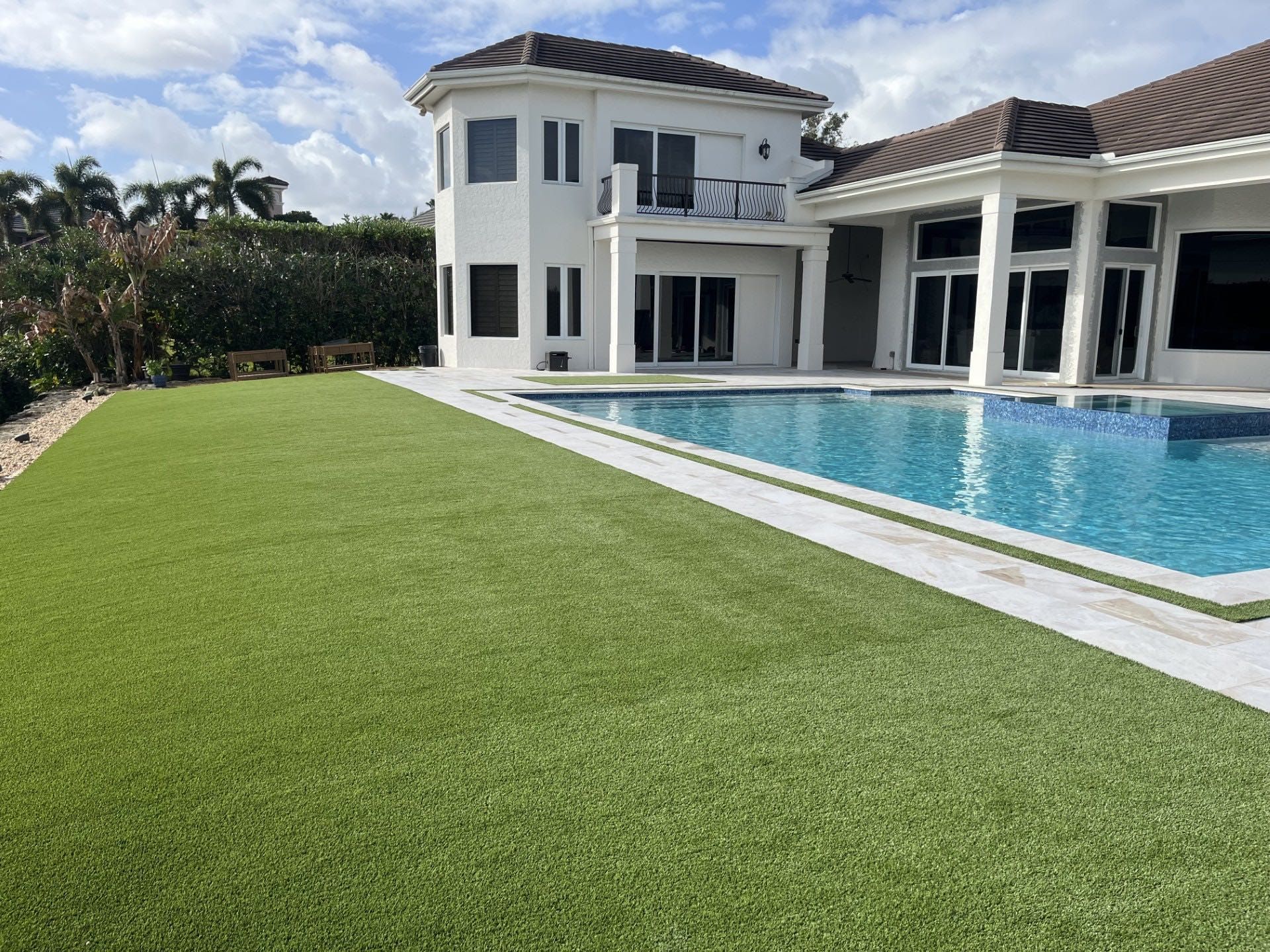
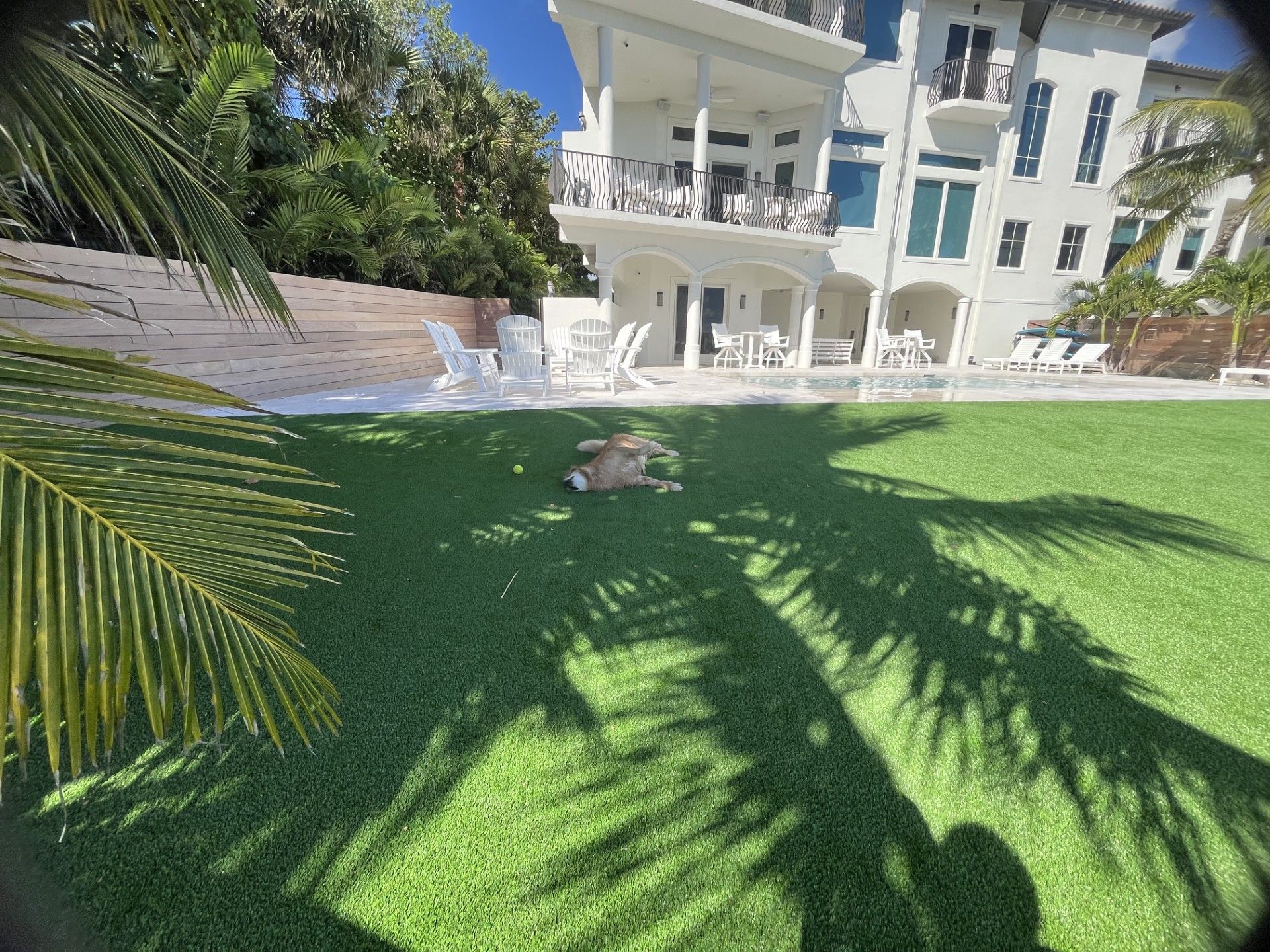
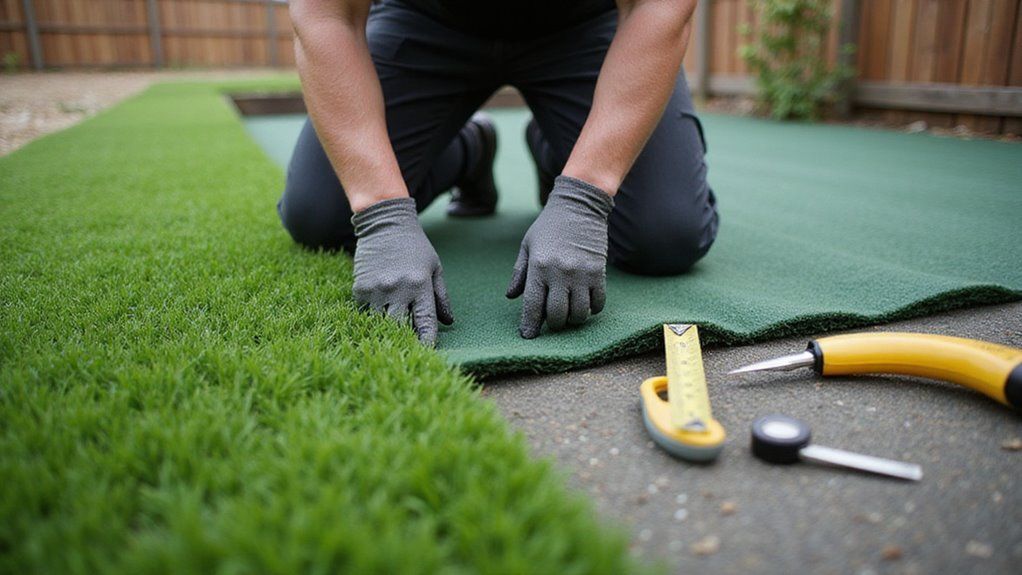
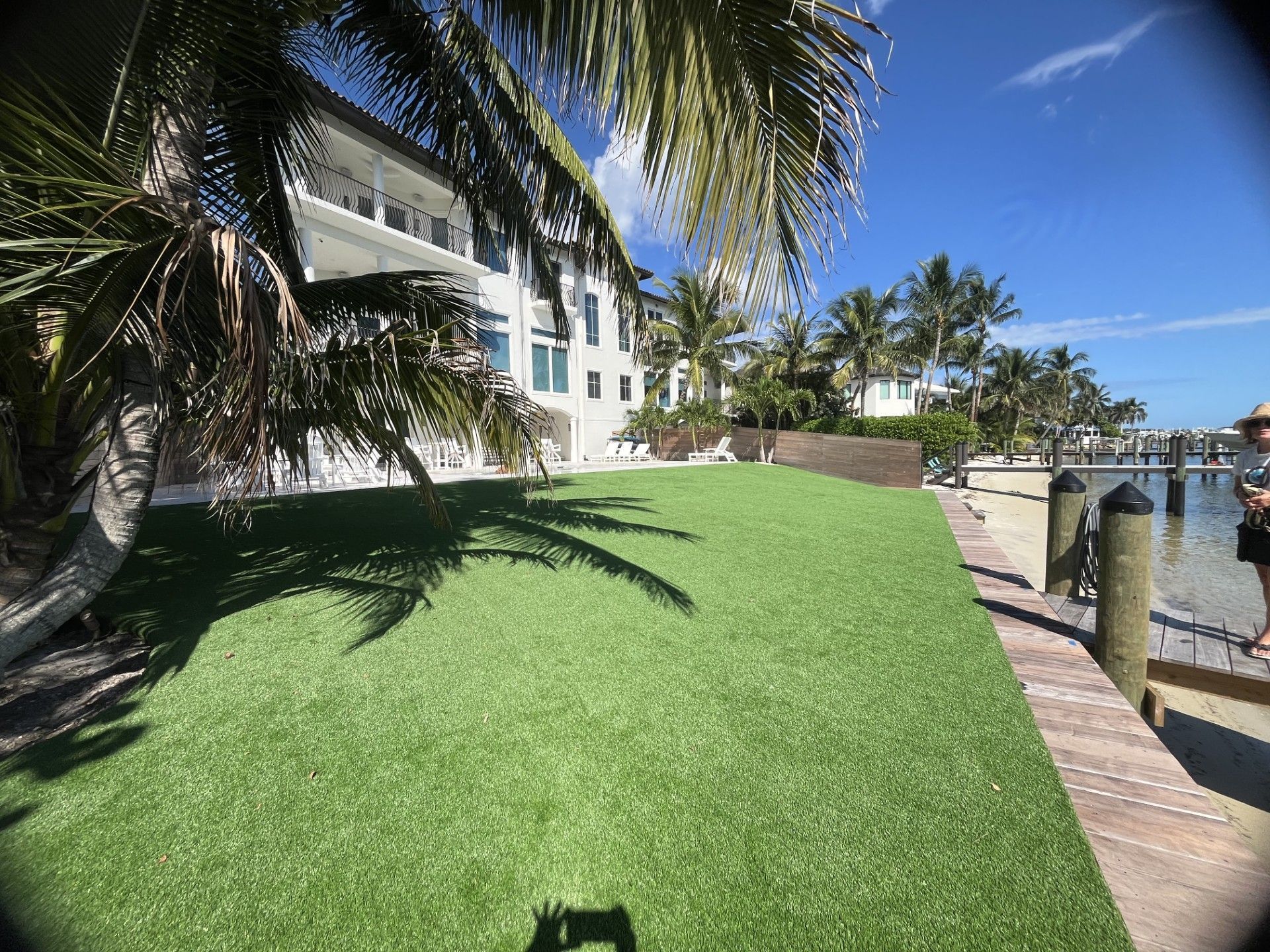
Artificial turf has recently become a popular alternative to natural grass owing to its numerous benefits. It requires minimal maintenance, saves water, and provides a lush green look all year round. However, amidst all the hype surrounding artificial turf, many misconceptions persist about its impact on the environment. These misconceptions often lead to hesitation or opposition to using artificial turf as a landscaping option.
With artificial grass, you can say goodbye to your sprinklers! One of the biggest selling points for artificial grass is that it doesn’t need constant watering to keep it green. (1) This is a significant factor for many homeowners, especially those living in regions with water scarcity or strict water regulations. Having a lush green lawn without constant watering may seem too good to be true to some, leading to the misconception that artificial turf harms the environment.
However, the truth is that artificial turf can save vast amounts of water compared to natural grass. Studies show that a traditional lawn requires an average of 660 gallons of water daily to stay green, while synthetic turf needs no water. This significant reduction in water usage makes artificial turf a much more environmentally friendly option.
So, why are there still myths surrounding the environmental impact of artificial turf? One reason could be its synthetic nature, leading to concerns about its production process and potential environmental harm.
As we delve into the topic, we'll debunk four common misconceptions about artificial turf and its relationship with the environment. With insights grounded in research and expert opinion, we aim to provide a comprehensive understanding beyond surface-level assumptions.
Artificial Turf Is Harmful To the Environment
You might have heard that artificial turf for putting green installation harms the environment. This misconception often arises from concerns about the materials used in synthetic grass and its impact on ecosystems. However, the reality is quite different. Artificial turf is eco-friendly in many ways.
Unlike natural grass, it doesn't require water to stay green, so that you can conserve water resources. Additionally, synthetic turf for backyard putting green installation doesn't need harmful pesticides or fertilizers to maintain its appearance, reducing chemical runoff into waterways and soil contamination.
When you choose artificial turf, you're also helping to reduce your carbon footprint. Unlike natural grass, which requires regular mowing and maintenance with gas-powered equipment, synthetic grass eliminates the need for these emissions. Plus, artificial turf is made from recycled materials, reducing its environmental impact.
It Is Made Of Dangerous Chemicals
You might have heard the misconception that artificial turf is made of dangerous chemicals, sparking concerns about its safety for humans and the environment. This idea likely stems from the assumption that synthetic materials must contain harmful substances. However, the truth is that modern artificial turf is carefully manufactured to meet strict safety standards.
Most synthetic grass products are made from non-toxic materials such as polyethylene and polypropylene, commonly found in everyday items like water bottles and food containers.
When you choose artificial turf, you're selecting a safe and environmentally friendly option for your lawn or sports field. Unlike natural grass, which can require chemical pesticides and fertilizers that pose risks to humans and wildlife, synthetic turf eliminates the need for these harmful substances. By opting for artificial turf, you're making a responsible choice that prioritizes safety and sustainability.
With careful manufacturing processes and stringent safety regulations, synthetic grass products are proven to be safe for use in various applications. By looking for a
backyard putting green installation near me and settling for artificial turf over natural grass, you're contributing to a cleaner and greener environment. So, don't let misconceptions cloud your judgment – embrace the benefits of artificial turf and enjoy a lush, worry-free lawn for years to come.
It Is Not a Sustainable Option
The misconception that artificial turf is not sustainable often arises from a misunderstanding of its environmental impact compared to natural grass. Some people may believe that synthetic turf requires excessive resources to produce and maintain, leading to the perception that it's not a sustainable choice. However, this is far from the truth.
When you opt for artificial turf, you choose a sustainable alternative, conserving valuable resources. Unlike natural grass, which demands significant amounts of water to stay green and healthy, synthetic turf requires minimal irrigation, helping to save water in drought-prone areas. By minimizing water usage and chemical inputs, artificial turf contributes to a more sustainable approach to landscaping.
Furthermore, artificial turf is designed to be durable and long-lasting, reducing the need for periodic replacements. This durability not only saves you time and money but also minimizes waste by extending the lifespan of your lawn or sports field. Additionally, many artificial grass products are recycled, reducing their environmental footprint
It Cannot Be Recycled or Disposed Of Properly
The misconception that artificial turf cannot be recycled or disposed of properly may stem from concerns about the end-of-life management of synthetic grass products. Some people believe that once artificial turf reaches the end of its lifespan, it becomes an environmental burden because it cannot be recycled or disposed of responsibly. However, this misconception overlooks the advancements in recycling technology and waste management practices that have made it possible to recycle and properly dispose of artificial turf.
If you're worried about putting green installation cost, many manufacturers offer recycling programs, allowing used materials to be repurposed into new products. Additionally, advancements in recycling techniques have made it increasingly feasible to recover valuable materials from artificial grass, such as polyethylene and polypropylene, for reuse in various applications. Furthermore, synthetic turf can be disposed of responsibly through landfilling methods prioritizing waste diversion and environmental protection.
Choosing artificial turf from the turf installer nearest to you doesn't mean sacrificing sustainability or environmental responsibility. Synthetic grass offers numerous benefits that contribute to a greener future. Participating in recycling programs and adopting proper waste management practices ensures that artificial turf remains a sustainable option for landscaping and sports fields.
About the author
Kathy Leavell
Kathy Leavell is the founder and owner of Synthetic Turf Treasure Coast, a leading provider of synthetic grass solutions for residential and commercial properties in Florida. With over a decade of experience in the industry, Kathy has become a recognized expert in synthetic turf installation, maintenance, and repair. Under her leadership, Synthetic Turf Treasure Coast has earned a reputation for exceptional customer service and high-quality workmanship.
Prior to starting her own business, Kathy worked in sales and marketing roles at several major synthetic turf manufacturers.