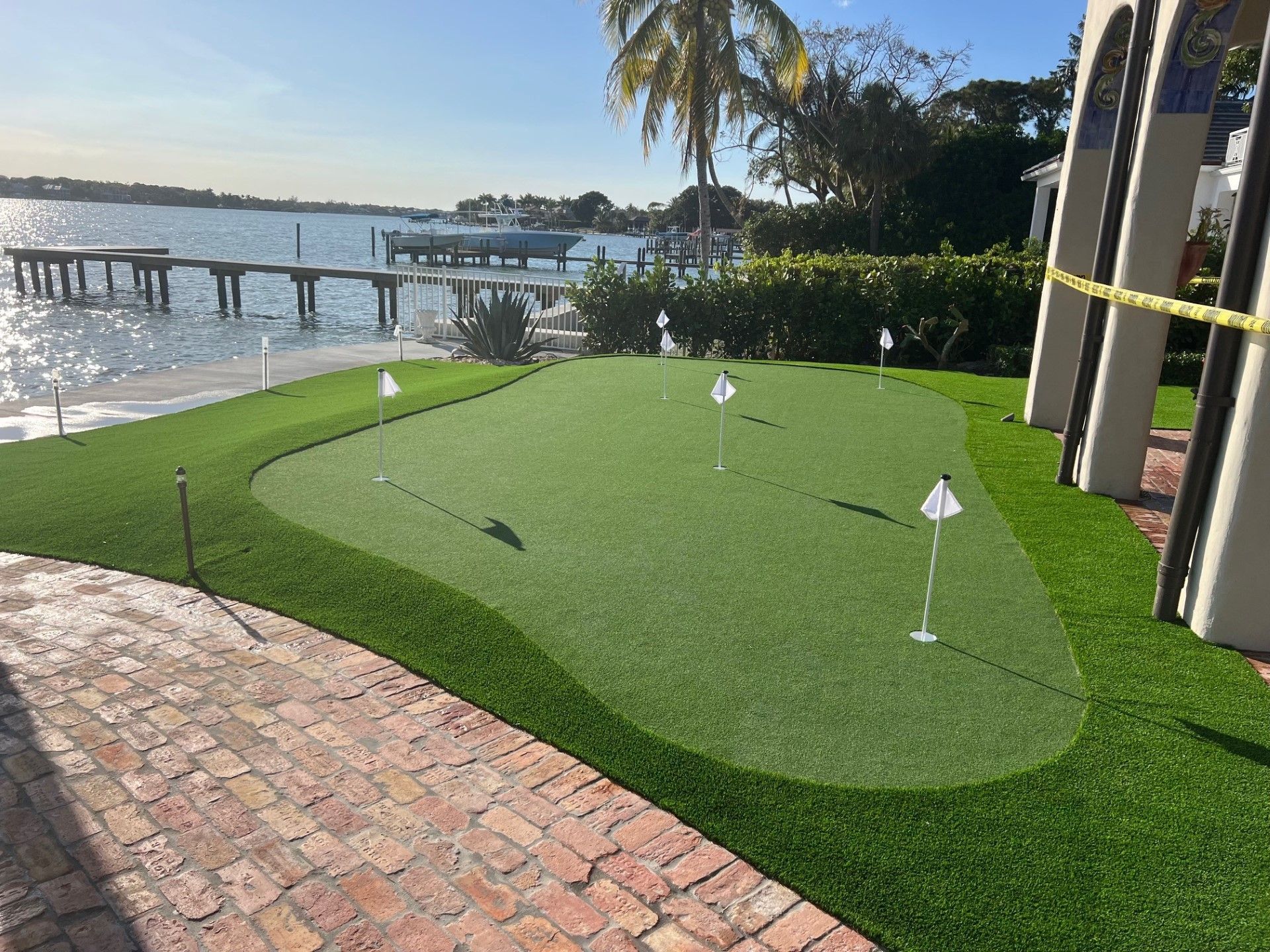
Why Your "Lawn of the Future" Needs a Specialist, Not Just a Landscaper
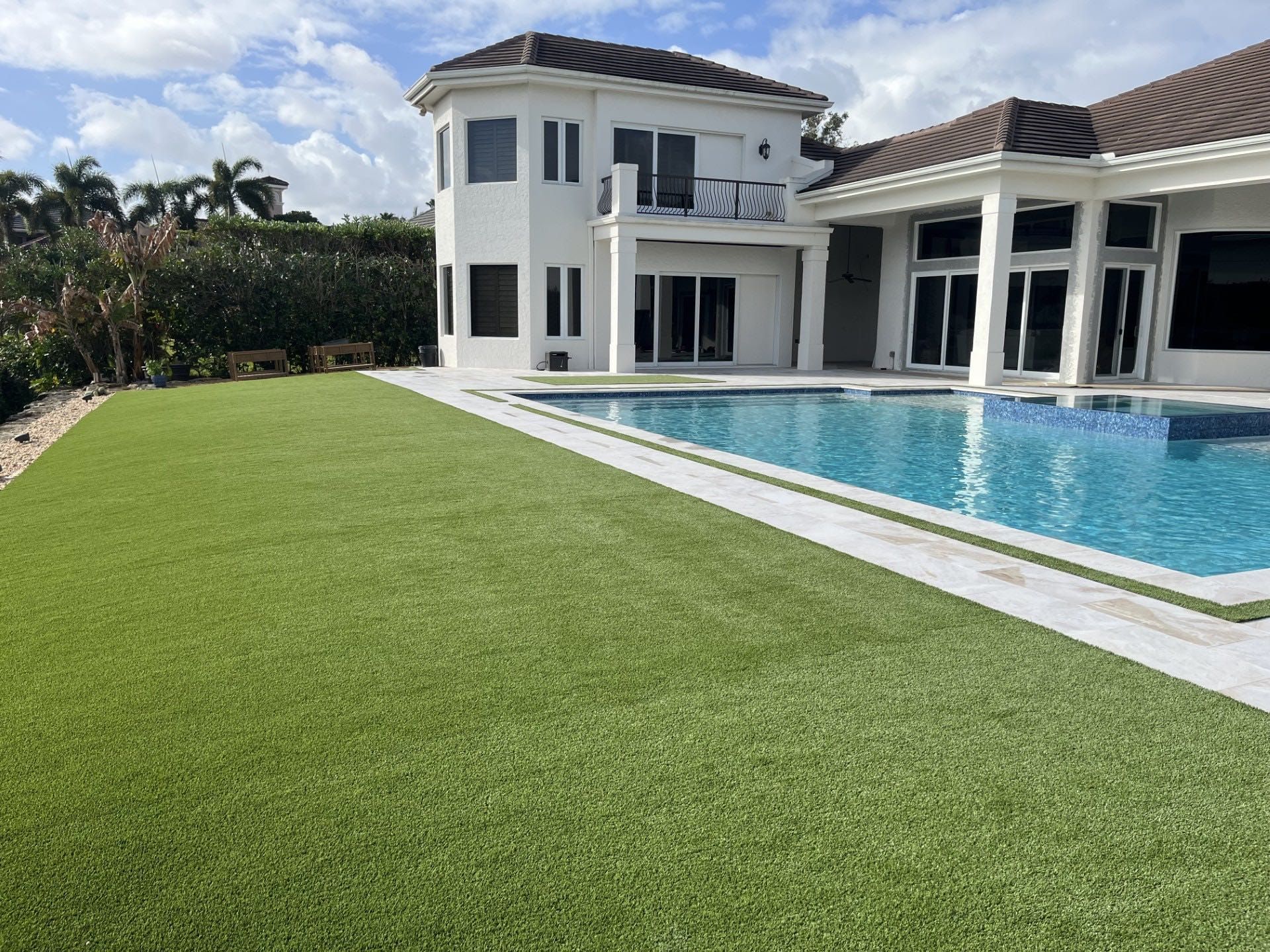
We get it. You’re ready to ditch the mower, forget the fertilizer, and enjoy a vibrant green yard 365 days a year. But as you start gathering quotes, you might notice a divide: your regular neighborhood landscaper says they can "throw some grass down," while a dedicated artificial turf specialist is talking about "sub-base compaction" and "permeability rates."
It’s tempting to go with the generalist you already know, but artificial turf isn't just "carpeting for the outdoors." It’s an engineered flooring system. Here is why hiring a professional turf installer is the best investment you’ll make for your home.
1. The Magic is in What You Don't See
A landscaper is an expert in things that grow. They understand soil, mulch, and hydration. However, artificial turf is about civil engineering in miniature.
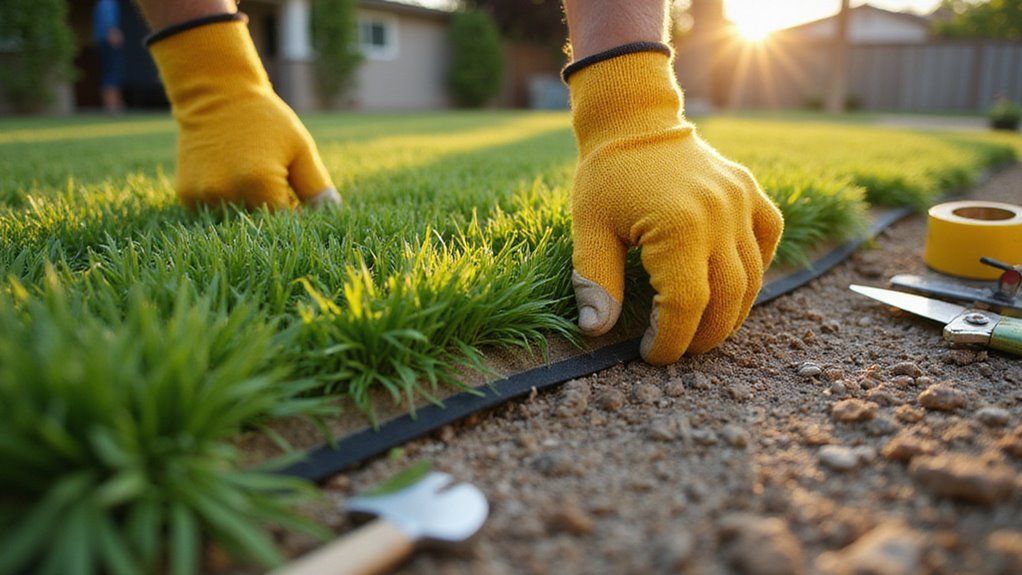
- The Sub-Base: A professional installer knows that the dirt under the turf is the most important part. They use specific ratios of crushed stone and fines, compacted to a precise level to prevent dipping and buckling.
- Drainage: If a landscaper installs turf like they install sod, you might end up with a swamp. Professionals ensure the base is graded perfectly so water disappears instantly, preventing mold and "pet odors" from lingering.
2. Specialized Tooling vs. "Making Do"
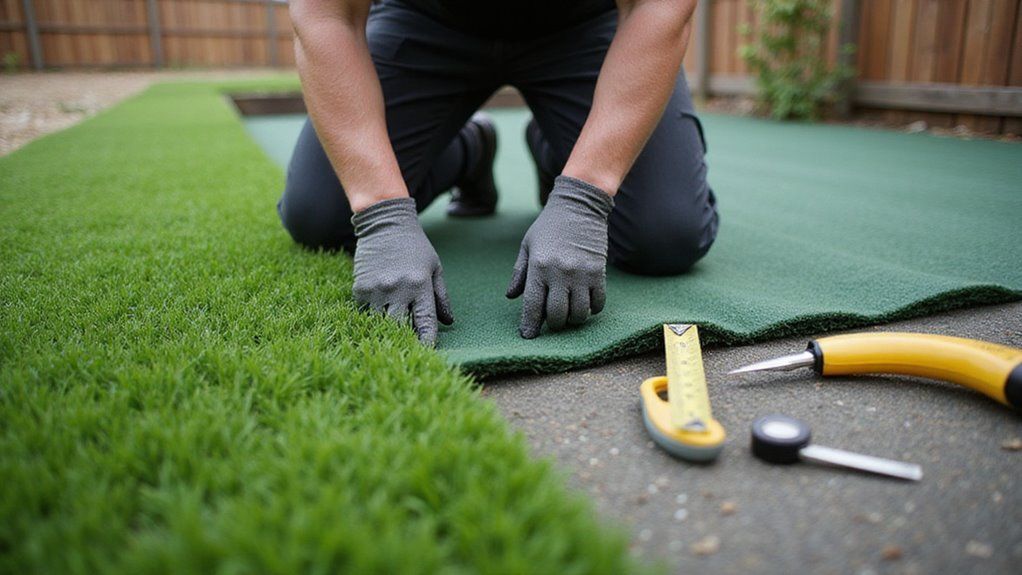
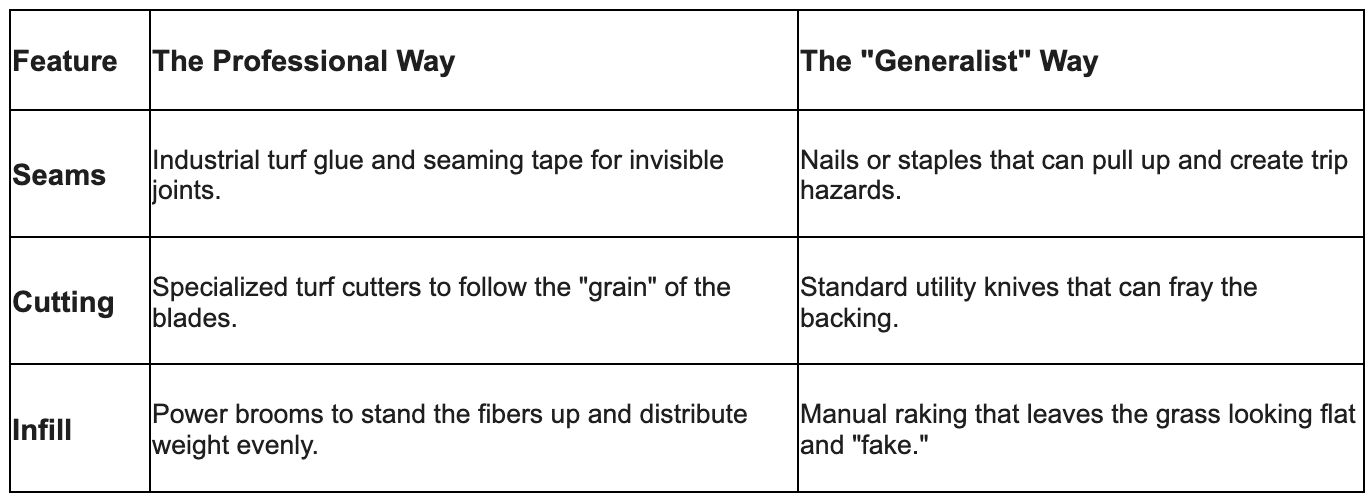
You wouldn't use a butter knife to perform surgery. Similarly, professional turf installation requires a specific kit that most general landscapers simply don't carry:
3. Avoiding the "Carpet Look"
Artificial turf has a "grain," much like hardwood or high-end fabric. If you lay two pieces facing different directions - a common mistake for those not trained in synthetic grass - your lawn will look like two different colors.
A professional installer understands directional pile. They ensure every square inch is oriented to catch the light naturally, giving you that lush, organic look rather than the shiny, plastic appearance of a DIY job.
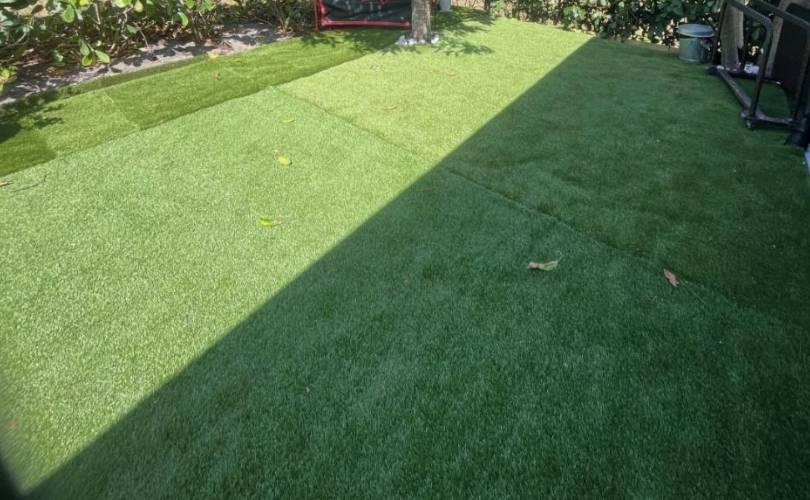
This customer hired a landscaper. Directional pile is incorrect. Seams done improperly. Installed over dirt.
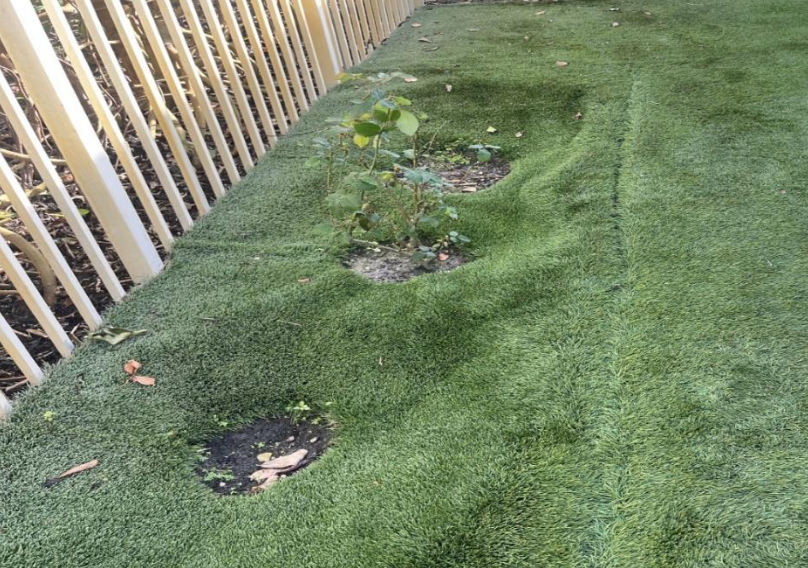
Landscaper’s idea of a planting bed.
4. Protecting Your Warranty
High-quality artificial turf is a significant investment, often coming with a 10- to 15-year warranty. However, most manufacturers will void that warranty if the product isn't installed according to their specific technical standards. If a general landscaper hits a drainage pipe or uses the wrong infill, you’re on the hook for the repairs. A specialist carries the specific insurance and certifications to ensure your investment is protected.
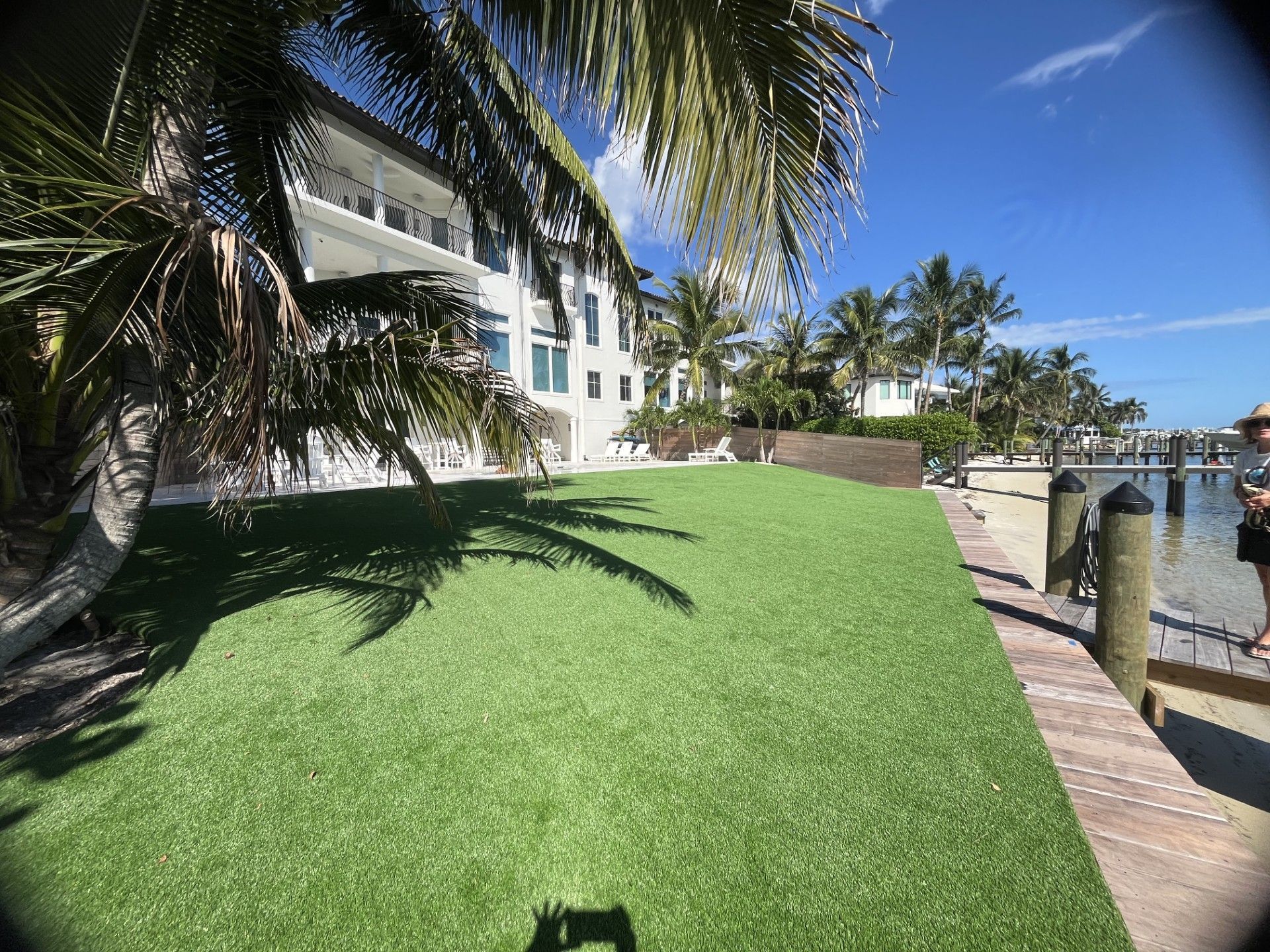
The Bottom Line: A landscaper makes your yard look great for a season. A professional turf installer ensures your yard looks perfect for a decade. If you’re going to invest in a maintenance-free lifestyle, do it right the first time. Don't let a "good deal" turn into a "redo" two years down the road.
Hiring a turf specialist is a smart move, but you still need to vet them carefully. To ensure you’re getting a high-performance system and not just "outdoor carpet,"
ask these specific questions before signing a contract.
1. The Technical & Structural Questions
Because the sub-base is the most critical part of the lawn, focus your questions here:
- "What specific materials are you using for the sub-base?"
- What to look for: They should mention crushed stone, decomposed granite, or limestone fines. If they say "dirt" or "sand only," that’s a red flag for shifting and poor drainage.
- "How deep will the base be excavated and filled?"
- What to look for: A standard residential install should be 3–4 inches deep. Anything less may lead to wrinkling or sinking over time.
- "What is the drainage rate of this specific turf?"
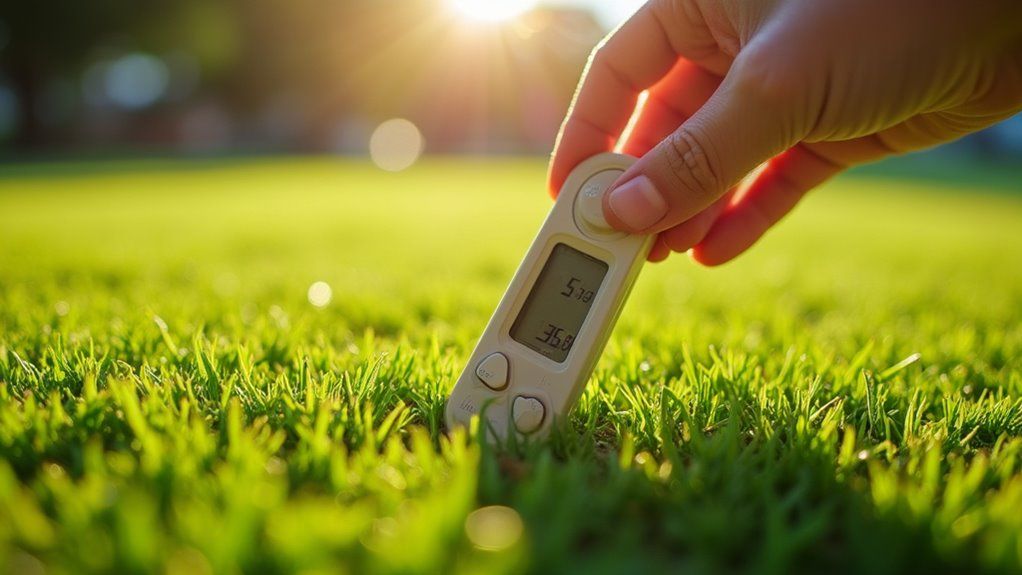
- What to look for: Professionals should know the "permeability rate" (usually measured in inches of water per hour). This is vital if you have pets or live in a rainy climate.
2. The Product & Aesthetics Questions
These ensure the lawn looks natural and lasts for 15+ years:
- "Which way will the grain be facing?"
- What to look for: The "grain" (the direction the blades lean) should almost always face toward the house or the main viewing area for the most natural, non-reflective look.
- "What type of infill are you using and why?"
- What to look for: They should offer options based on your needs. For example, antimicrobial acrylic-coated sand for pets, or cooling infill if the yard gets direct, intense sun. Avoid "crumb rubber" for residential yards as it gets extremely hot.
- "How do you secure the seams?"
- What to look for: Ask if they use industrial glue and seaming tape or just landscape staples. Glue and tape provide a much stronger, invisible bond that won't "zip" open.
Red Flags to Watch For:
- The "Handshake" Quote: If they won't give you an itemized quote, they are likely cutting corners.
- Installing Over Existing Grass: If they say they can just lay it over your current lawn, run. This leads to rot, mold, and a lumpy surface within months.
- Too-Good-To-Be-True Pricing: Professional turf usually costs between $8–$15 per square foot. If someone quotes $4, they are likely skipping the base preparation or using "second-hand" turf remnants.
FROM VERO BEACH TO JUPITER, THE TEAM AT SYNTHETIC TURF TREASURE COAST HAS OVER 50 YEARS COMBINED EXPERIENCE IN THE SYNTHETIC TURF INDUSTRY. WE CAN MAKE YOUR ARTIFICIAL TURF EXPERIENCE A GREAT ONE!
CALL US TODAY AT 772-245-8546 TO SCHEDULE YOUR FREE CONSULTATION.
About the author
Kathy Leavell
Kathy Leavell is the founder and owner of Synthetic Turf Treasure Coast, a leading provider of synthetic grass solutions for residential and commercial properties in Florida. With over a decade of experience in the industry, Kathy has become a recognized expert in synthetic turf installation, maintenance, and repair. Under her leadership, Synthetic Turf Treasure Coast has earned a reputation for exceptional customer service and high-quality workmanship.
Prior to starting her own business, Kathy worked in sales and marketing roles at several major synthetic turf manufacturers.