Artificial Grass Around Trees: How to Create a Clean, Vibrant Outdoor Space
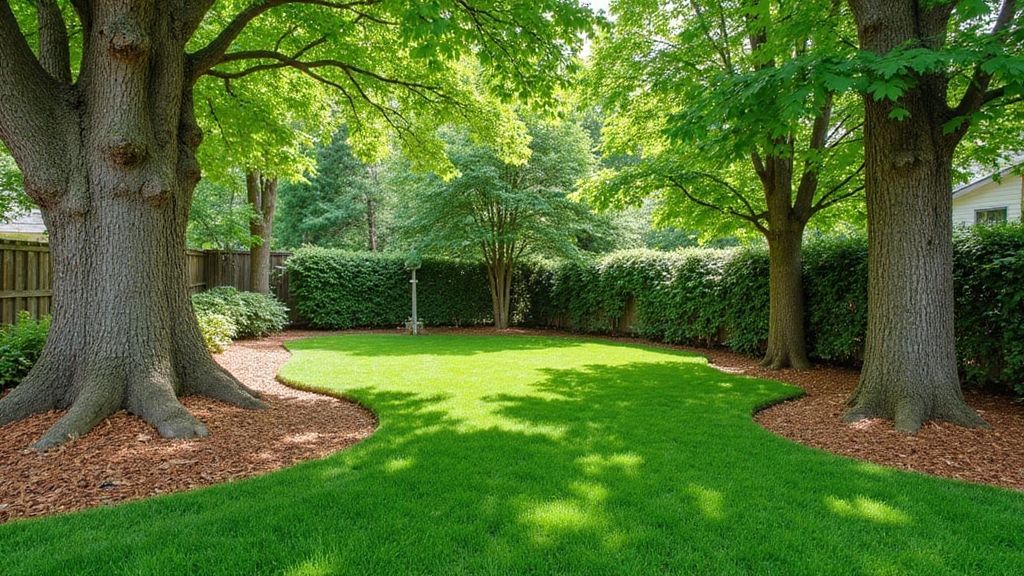
Florida homeowners constantly battle with bare soil and muddy patches around tree bases. Traditional grass struggles in shaded areas, creating maintenance headaches.
Artificial turf installation around trees offers a practical solution that maintains tree health while creating pristine landscapes. This approach reduces water usage by 75% while protecting tree roots.
In this blog post, you’ll learn professional landscaping tips for installing synthetic grass solutions around trees, from preparation to long-term maintenance strategies.
Key Takeaways
• Artificial grass tree rings eliminate muddy patches and reduce lawn care by 75%
• Proper tree surround materials must allow 90% water permeability for Florida’s sandy soils
• Leave 6-12 inches between trunk and turf to protect bark and accommodate growth
• Shade-tolerant synthetic grass works best under oak and other dense canopies
• Permeable turf installation supports tree root protection while conserving water
• Regular debris management maintains both turf quality and tree health
• Professional installation ensures compliance with Florida tree protection laws
Why Should You Install Artificial Grass Around Trees?
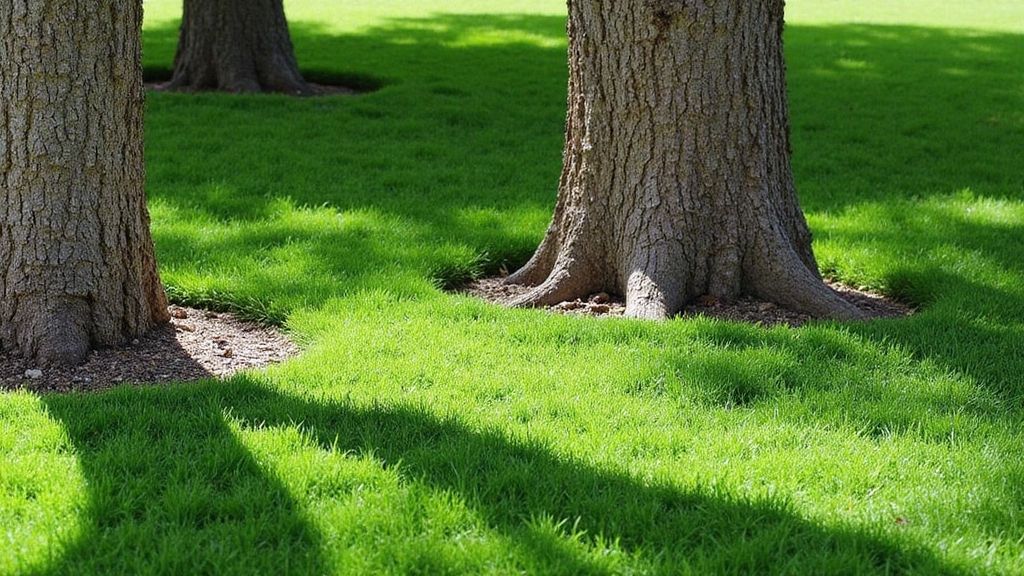
Artificial grass around trees solves common landscaping challenges while creating attractive outdoor spaces. This low-maintenance landscaping approach benefits both your yard and the environment.
Enhanced Curb Appeal and Visual Interest
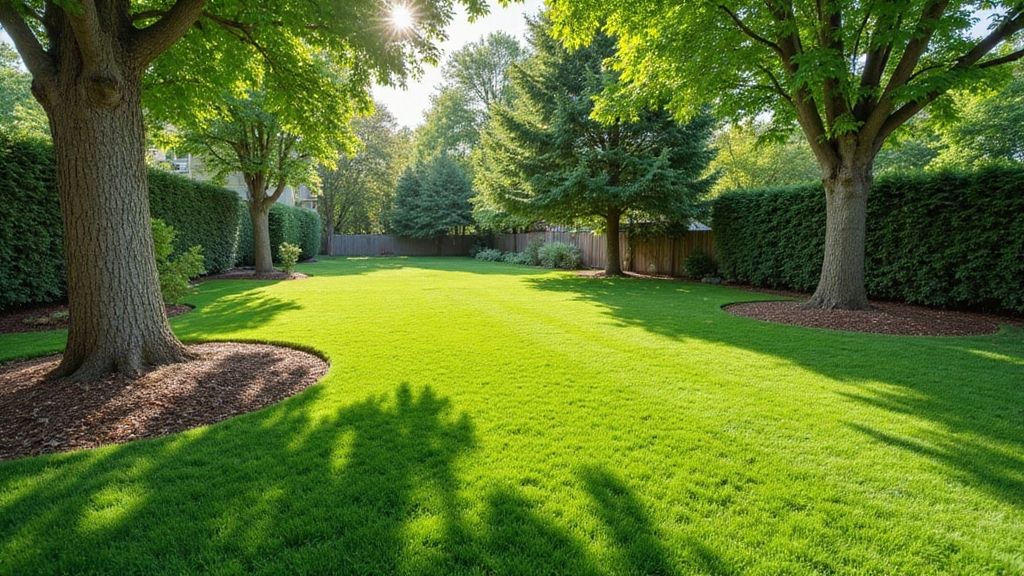
Artificial grass tree rings create clean, defined spaces that boost outdoor aesthetic enhancement. The consistent green color provides contrast against tree bark. Natural grass often fails under tree canopies, leaving brown patches. Synthetic grass solutions maintain their appearance regardless of shade levels.
Tree surround ideas using artificial turf offer design flexibility. You can create circular patterns or flowing curves. These decorative tree surrounds add structure to your landscape design with artificial turf.
Elimination of Bare Soil and Muddy Patches
Bare soil around trees creates messy conditions after rain. Florida experiences heavy rainfall, especially during hurricane season (FEMA.gov). Artificial turf for problem areas prevents mud from forming. Your yard stays clean and accessible year-round.
Tree base landscaping with synthetic grass stops soil erosion. Water flows through permeable surfaces without washing away dirt. This creates pet-friendly outdoor spaces and child-friendly garden spaces that stay tidy.
Reduced Maintenance and Lawn Care Hassles
Traditional landscaping around trees demands constant attention. According to FDACS data, 60% of Florida lawns use excess water. Drought-resistant yard options using artificial turf reduce water consumption by 75%. You save time on mowing, trimming, and watering.
Weed prevention methods improve with synthetic grass installation. Weeds can’t penetrate quality artificial turf. This eco-friendly lawn alternative requires minimal upkeep compared to natural grass.
Protection for Tree Roots and Bark
Tree root protection becomes easier with properly installed artificial turf. The permeable base allows air and water to reach roots. Tree bark protection improves because you eliminate lawn equipment near trunks.
A Miami-Dade case showed post-hurricane turf installations effectively protected tree roots. Proper tree health considerations during installation prevent damage. Synthetic grass acts as a protective barrier against foot traffic and equipment.
How to Prepare the Area Around Trees for Installation?
Proper preparation ensures successful artificial turf installation and maintains tree health. This phase determines the longevity of both your turf and trees.
Assessing Tree Root Systems and Soil Conditions
Begin by evaluating root spread and depth before any digging. Florida Statute § 163.045 tree protection laws require careful root assessment. Most tree roots spread 2-3 times beyond the canopy. Avoid cutting roots thicker than one inch.
Check soil drainage around the tree base. Florida’s sandy soils typically drain well. Clay-heavy areas need additional drainage solutions. Test soil by digging a small hole and filling it with water.
Clearing Debris and Existing Vegetation
Remove all grass, weeds, and organic matter from the installation area. Leave the soil level stable to protect shallow roots. Don’t excavate deeper than 3-4 inches around mature trees.
Clear away fallen leaves and branches. Remove any existing tree mulch alternatives. Save healthy topsoil for use in other garden areas. This step creates a clean surface for artificial grass installation techniques.
Creating Proper Drainage Solutions
Artificial grass drainage solutions must allow water to reach tree roots freely. Install a permeable base layer using crushed stone. Hurricane seasons increase flood risk in Florida (FEMA.gov). Proper drainage prevents water pooling.
Grade the area slightly away from the trunk. Water should flow outward, not collect. Use landscape fabric beneath the base for weed prevention methods. Ensure minimum 90% water permeability needed for Florida sandy soils (SWFWMD.org).
Establishing the Installation Perimeter
Mark the exact boundaries where turf will be installed. Create smooth curves or circles around the trunk. Use spray paint or stakes to outline the area. Leave 6-12 inch gaps from the trunk per FDACS arborist guidelines.
Plan for tree growth accommodation in your measurements. Young trees need more space than mature ones. Consider future expansion when setting borders. This prevents reinstallation as trees grow.
What Type of Artificial Grass Works Best Around Trees?
Selecting appropriate synthetic grass quality comparison factors ensures tree health and aesthetic appeal. Not all artificial turf works well in shaded tree areas.
Permeable Turf for Water and Air Flow
Choose turf with excellent drainage capabilities for tree base protection. Research shows 90% water permeability is needed for Florida sandy soils (SWFWMD.org). Water must reach roots without obstruction. Look for turf with drainage holes every few inches.
Air circulation prevents root suffocation and fungal growth. Permeable backing allows oxygen exchange with soil. This supports healthy root systems. Quality products specify their drainage rates in product descriptions.
Shade-Tolerant Artificial Grass Options
Shade-tolerant synthetic grass maintains appearance under dense canopies. Florida oak trees create heavy shade conditions. Standard turf may fade or deteriorate faster. UV-resistant synthetic turf protects against sun damage in partial shade areas.
Select products designed for low-light environments. These materials resist mold and mildew growth. Shade-tolerant options work well for year-round green spaces under trees.
Pile Height Considerations for Tree Bases
Shorter pile heights work better for tree surround materials. Piles between 1-1.5 inches allow easier debris removal. Fallen leaves slide off shorter grass more readily. This simplifies tree debris management tasks.
Longer piles trap more organic matter. They also require more artificial grass infill options. Shorter options provide better artificial grass temperature regulation. They stay cooler in Florida’s heat.
Color Selection for Natural Aesthetics
Choose natural green tones that complement your landscape. Multiple shades create realistic appearance. Avoid bright, uniform colors that look artificial. Blend tones match Florida’s native vegetation better.
Consider the tree bark color when selecting turf. Darker greens work with light-colored bark. Olive tones complement reddish bark. This attention to detail enhances modern garden design aesthetics.
How to Install Artificial Grass Around Tree Trunks Properly?
Proper installation techniques protect trees while creating durable, attractive surfaces. This process requires precision and the right artificial grass installation tools.
Measuring and Cutting Turf for Custom Fit
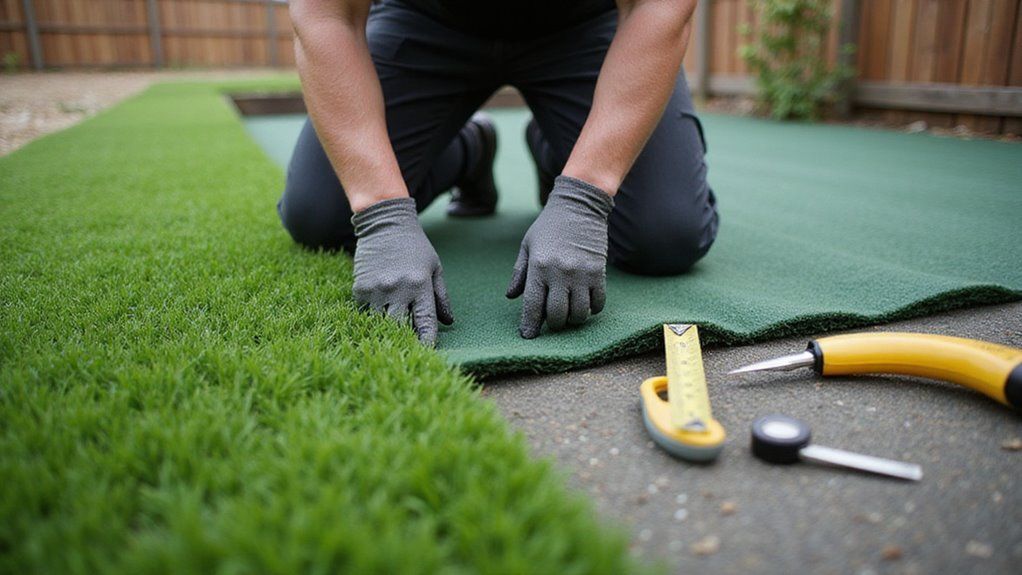
Measure the prepared area carefully before cutting any turf. Add two inches to all measurements for trimming adjustments. Use a sharp utility knife for artificial grass cutting techniques. Cut from the backing side for clean edges.
Create a paper template for complex shapes. This prevents costly material waste. Transfer the template to your turf. Make small cuts and test-fit before final trimming.
Creating Circular or Curved Edge Patterns
Circular artificial grass tree rings provide the most natural appearance. Use a string compass to mark perfect circles. Anchor one end at the trunk center. Swing the other end to create your circle.
For organic shapes, follow the natural root flare. Curved patterns soften the landscape design. Use flexible guides to mark flowing lines. These patterns enhance outdoor space maximization around irregular tree bases.
Securing Turf Without Damaging Roots
Use perimeter nails or staples to secure turf edges. Space fasteners 6-8 inches apart along borders. Drive them at angles away from the tree. Avoid deep penetration that could hit roots.
Apply turf adhesive along seams for seamless appearance. Never nail directly into root zones. Use artificial turf accessories like joining tape for connections. This approach aligns with Chapter 489 regulations for licensed installers.
Installing Flexible Edging and Borders
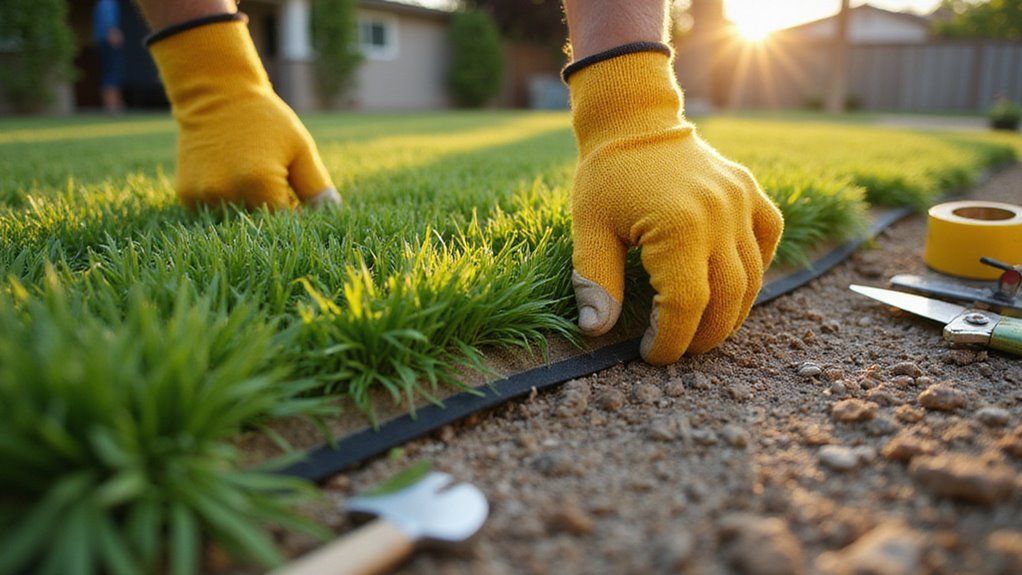
Artificial grass edging creates clean transitions between surfaces. Flexible plastic edging bends around curves easily. Install edging before securing the final turf. Anchor it firmly to prevent shifting.
Metal edging provides durability for high-traffic areas. Rubber borders offer softer edges for child-friendly garden spaces. Choose materials that complement your overall design. Proper edging prevents turf edges from lifting or curling.
What Are Common Mistakes to Avoid During Installation?
Understanding installation errors prevents damage to trees and turf. These mistakes can compromise both tree health and artificial grass lifespan.
Blocking Natural Water Access to Roots
Never install impermeable barriers between turf and soil. Blocking water violates irrigation codes (SFWMD). Trees need consistent moisture to survive Florida’s dry seasons. Water conservation landscaping requires proper flow to roots.
Some installers use solid plastic sheeting as base layers. This prevents water penetration completely. Always use permeable landscape fabric instead. Check that your base materials allow water passage.
Installing Too Close to the Trunk
Maintain the recommended 6-12 inch gap from tree trunks. FDACS arborist guidelines specify this spacing for tree bark protection. Turf against bark traps moisture. This creates conditions for rot and pest problems.
The gap allows air circulation around the trunk. It also provides space for trunk expansion. Young trees grow significantly over their artificial grass lifespan. Plan for this natural growth.
Using Improper Base Materials
Select base materials that support drainage and tree health. Avoid compacted clay or non-permeable substances. These block water and air from reaching roots. Use crushed stone or decomposed granite instead.
Research indicates 30% root compaction causes tree mortality (UF study). Heavy base materials increase soil compaction. This stresses root systems significantly. Light, loose materials work best for tree health considerations.
Neglecting Future Tree Growth Space
Plan installation boundaries with growth in mind. Trees expand both above and below ground. Root systems spread as trees mature. Your artificial turf for sloped areas must accommodate this expansion.
Young trees may double their trunk diameter. Root zones extend further each year. Installing too close now creates problems later. Budget for potential adjustments as trees grow larger.
How Do You Maintain Artificial Grass in Tree Areas?
Regular maintenance preserves both turf quality and tree health. These artificial grass maintenance practices keep your landscape looking pristine.
Managing Leaf Litter and Debris Removal
Remove fallen leaves and branches regularly from turf surfaces. Accumulated organic matter blocks drainage and creates breeding grounds for pests. Use a leaf blower or soft rake for artificial grass cleaning methods. Work weekly during fall seasons.
Debris traps moisture against the turf backing. This can lead to mold growth. Quick removal prevents these issues. It also makes seasonal garden preparation easier. Clean surfaces maintain their appearance longer.
Ensuring Proper Drainage Year-Round
Check drainage performance after heavy rains. Water should absorb within minutes, not pool. Clear drainage holes if water stands. Research shows turf aids tree health in drought-prone areas through 40% less evaporation.
Inspect the perimeter for soil buildup. Remove any dirt that blocks water flow. Maintain the grade away from tree trunks. Proper drainage supports both turf and tree health year-round.
Monitoring Tree Health and Root Development
Watch for signs of tree stress or declining health. Yellowing leaves or slow growth may indicate problems. Check that turf hasn’t shifted closer to the trunk. Adjust installations if roots begin surfacing.
Florida pest regulations require monitoring for tree health issues. Look for unusual pest activity around the base. Artificial grass shouldn’t attract pests, but surrounding areas might. Address problems quickly to protect your trees and investment.
Ready to Transform Your Landscape with Synthetic Turf Treasure Coast?
Synthetic Turf Treasure Coast provides the best designs, products and installations of custom artificial turf for homes, artificial turf backyard areas, putting greens, and pet areas. Their expertise covers Port St. Lucie, Martin, and Palm Beach Counties.
Professional installation ensures your trees stay healthy while your yard looks beautiful.
Their team understands Florida tree protection requirements. They use proper artificial grass installation techniques that comply with local regulations. Their products feature the water permeability and UV-resistance Florida landscapes demand.
Transform your outdoor space with sustainable landscaping ideas that last. Contact Synthetic Turf Treasure Coast today for a consultation. They serve Port St. Lucie and popular areas throughout Florida with expert tree base landscaping solutions.
About the author
Kathy Leavell
Kathy Leavell is the founder and owner of Synthetic Turf Treasure Coast, a leading provider of synthetic grass solutions for residential and commercial properties in Florida. With over a decade of experience in the industry, Kathy has become a recognized expert in synthetic turf installation, maintenance, and repair. Under her leadership, Synthetic Turf Treasure Coast has earned a reputation for exceptional customer service and high-quality workmanship.
Prior to starting her own business, Kathy worked in sales and marketing roles at several major synthetic turf manufacturers.